Caring for dental implants involves maintaining the health of the implant, the crown, and the surrounding gum and bone. Good daily habits can cut the risk of infection and prolong the lifespan of your implant. This guide provides quick, practical tips for caring for dental implants that you can use right away — from brushing and flossing to what to watch for and when to contact your dentist.
Why Proper Care Matters
Dental implants are different from natural teeth. Implants lack a living root or ligament, so the surrounding gum and bone require consistent care to remain healthy. Poor care can lead to infection or peri-implantitis, which can cause bone loss and implant failure. With good daily habits and regular checkups, many implants last 10–25 years or longer.
Daily Routine: Practical Steps for Caring for Dental Implants
Brushing technique
Use a soft-bristled brush twice a day. Brush gently with short, circular motions along the gum line and around the implant crown. Powered toothbrushes can help if you have trouble with manual brushing; use a brush head designed for sensitive gums.
Cleaning between teeth
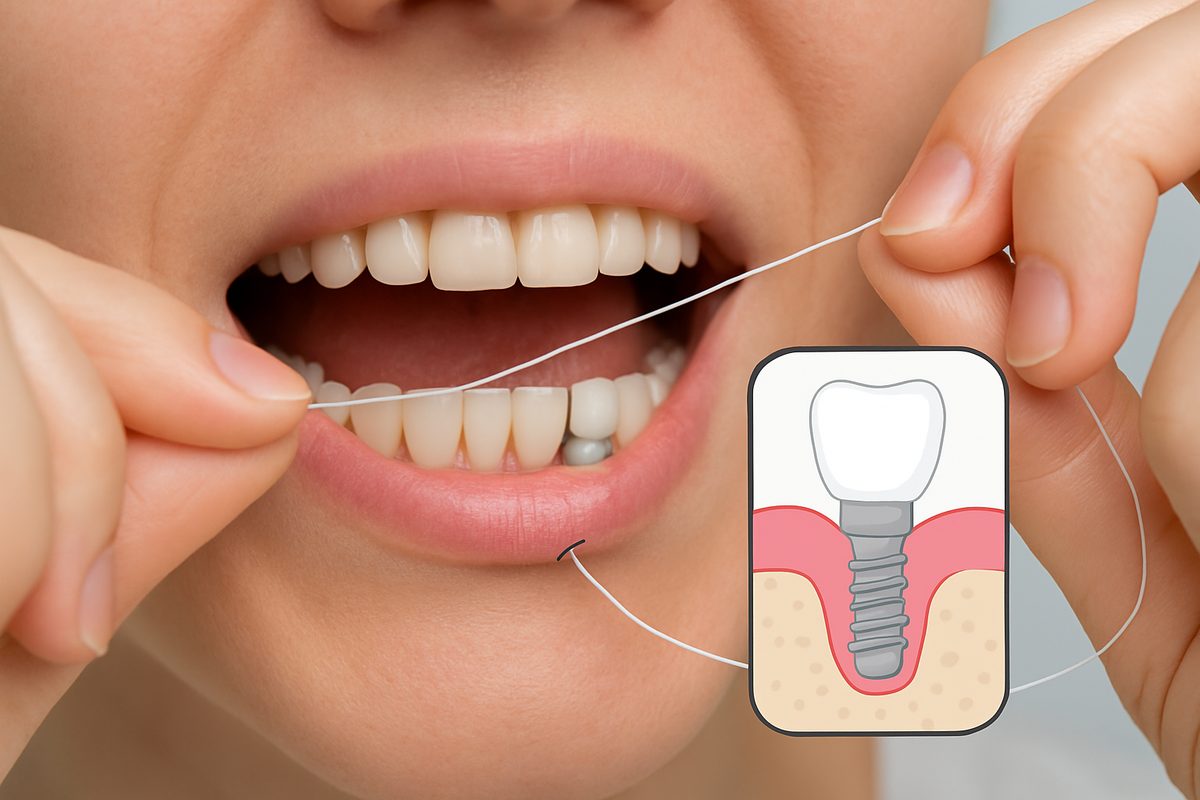
Cleaning between teeth removes plaque where brushes can’t reach. Use floss made for implants, interdental brushes, or a water flosser. Slide floss or an interdental brush carefully along the side of the implant crown and under the gumline. Ask your dentist which tool fits best for your implant shape.
Mouthwash and other products
Use the mouth rinses your dentist recommends. Non-alcohol rinses and those designed for sensitive mouths are usually safe. Avoid harsh peroxide or strong alcohol rinses in the long term, as they can irritate the gums. Antiseptic rinses may be prescribed short-term after surgery.
Foods, Habits, and Lifestyle Tips
Immediately after implant surgery, follow your dentist’s advice and stick to soft foods for a few days or weeks. Avoid very hard or sticky foods that can damage crowns or stress the implant. Stop or reduce smoking — it raises the risk of implant problems. Break habits like nail-biting, chewing ice, or opening things with your teeth. If you grind your teeth, consider getting a night guard to protect your implants.
Professional Care and Checkups
See your dentist or hygienist regularly for implant maintenance, typically every 3–6 months, depending on your individual risk. At a maintenance visit, the team will clean around the implant, take X-rays as needed, and check gum health and implant stability with careful probing. Professional care finds problems early and helps avoid complex repairs.
Spotting Problems Early: Common Signs and What to Do
Watch for persistent pain, swelling, bleeding, pus, a bad taste, or any movement of the implant or crown. If you notice these signs, stop chewing on that side, rinse with warm salt water, and contact your dental office right away. Early treatment can save the implant.
Travel, Nighttime, and Long-Term Care Tips
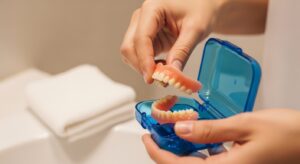
Pack a small travel kit with a soft toothbrush, interdental brushes, and floss. Use a night guard if you grind. For overdentures or screw-retained prostheses, check attachments regularly and bring any loose parts to your next appointment.
When to Contact a Professional
If you have sudden pain, loose parts, or signs of infection, contact your dental team or implant specialist for an exam. For routine follow-up and maintenance, schedule timed visits to catch problems early and address them quickly. Caring for dental implants is primarily a daily habit, supplemented by regular checkups. Continue brushing and cleaning between your teeth, avoid risky foods and habits, and contact your dental team if you notice any warning signs. Schedule an implant maintenance visit to keep your implant healthy and functioning properly.