
An affordable implant dentist can help replace missing teeth with strong, natural-looking implants while offering options to manage cost. Implant costs vary because of the type of restoration, any extra surgery needed, materials used, and the provider’s experience. This post explains how implants work, what drives price, how to read estimates, cost-saving strategies, financing options, questions to ask, and how to balance cost and quality.
What Are Dental Implants and How They Work
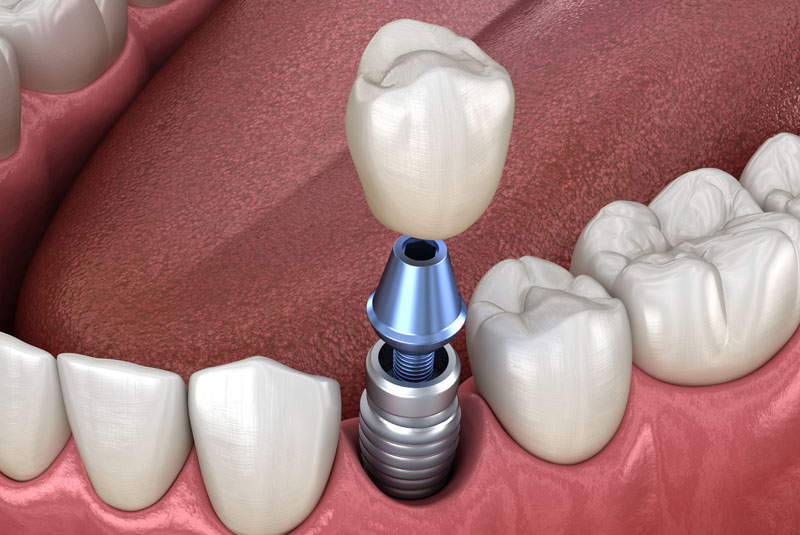
Dental implants are small titanium posts placed in the jaw to act as artificial tooth roots. A typical implant treatment has three parts: the implant (in the bone), an abutment (connector), and the crown (the visible tooth). The timeline usually starts with a consult and scans, then implant placement, a healing period of several months, and finally attachment of the abutment and crown.
What Drives the Cost of Implants
Type of restoration
Costs vary for a single tooth, multiple teeth, or full-arch solutions. Single implants are usually the least expensive per tooth. Full-arch restorations or “all-on-4” style solutions cost more upfront but can be cheaper per tooth than replacing many single teeth.
Additional procedures
Extra work like bone grafts, extractions, sinus lifts, or 3D CT scans raises the price. These procedures are needed when bone or space is insufficient for a stable implant.
Materials and lab fees
Different implant brands and crown materials (porcelain, zirconia) vary in price. Lab fees for custom crowns and prosthetics add to the total.
Provider experience and technology
Surgeons with advanced training, dental specialists, or clinics that use digital planning and guided surgery often charge more. That experience and technology can improve results and lower complication risk.
Typical Price Ranges and How to Read an Estimate
An itemized estimate should list consultation, imaging, implant placement, abutment, crown, and any extra surgeries. Compare like-for-like items between practices. Watch for bundled fees and ask for written details on what is and isn’t included.
Cost-Saving Strategies
Ask for an itemized plan
Request a full, written breakdown so you can compare exact services and materials across offices.
Staged treatment
Splitting care into stages—such as doing extractions and grafting first and implants later—can spread out costs and let you pay over time.
Negotiate bundled pricing
Ask about discounts for multiple implants or a full-arch package. Some practices offer reduced per-tooth pricing when multiple implants are placed at once.
Financing Options for Dental Implants
Third-party lenders
CareCredit and similar lenders offer short-term no-interest or low-interest plans for medical and dental work. Terms vary, so read fees and rates carefully.
In-house payment plans
Many practices offer monthly plans directly through the office with predictable payments. Ask about down payments and total costs.
Using HSA/FSA, loans, or credit
HSAs and FSAs can cover implants if rules allow. Personal loans or credit cards are options but may have higher interest. Weigh costs and repayment terms.
Questions to Ask an Affordable Implant Dentist
Ask about their implant experience, success rates, who will do the surgery, warranty or follow-up care, a detailed cost breakdown, and available financing options. Ask to see before-and-after photos and patient references if available.
Balancing Cost and Quality
Very low prices can mean lower quality materials, inexperienced providers, or missing follow-up care. Prioritize credentials, clear aftercare plans, and long-term value over the cheapest upfront price.
Finding an Affordable Implant Dentist
Look for a clinic that offers transparent pricing, clear itemized estimates, and multiple financing tools. Our clinic provides in-house payment plans, third-party financing options, and an experienced implant team to guide you through treatment choices.
Schedule a consultation, bring any prior dental records, and ask for an itemized treatment plan to compare options. A short visit can clarify what you need and how to afford a safe, long-lasting implant solution.